Freight Forwarding Services
Have you ever wondered what it takes to move goods across countries and continents efficiently?
Understanding Freight Forwarding Services
Freight forwarding is a crucial aspect of international trade that facilitates the movement of goods from one point to another. As someone who has navigated through various logistics management positions, I have come to understand the intricacies involved in this sector. At its core, a freight forwarder acts as an intermediary between the shipper and various transportation services, ensuring that shipments reach their destinations in a timely and cost-effective manner.
What is Freight Forwarding?
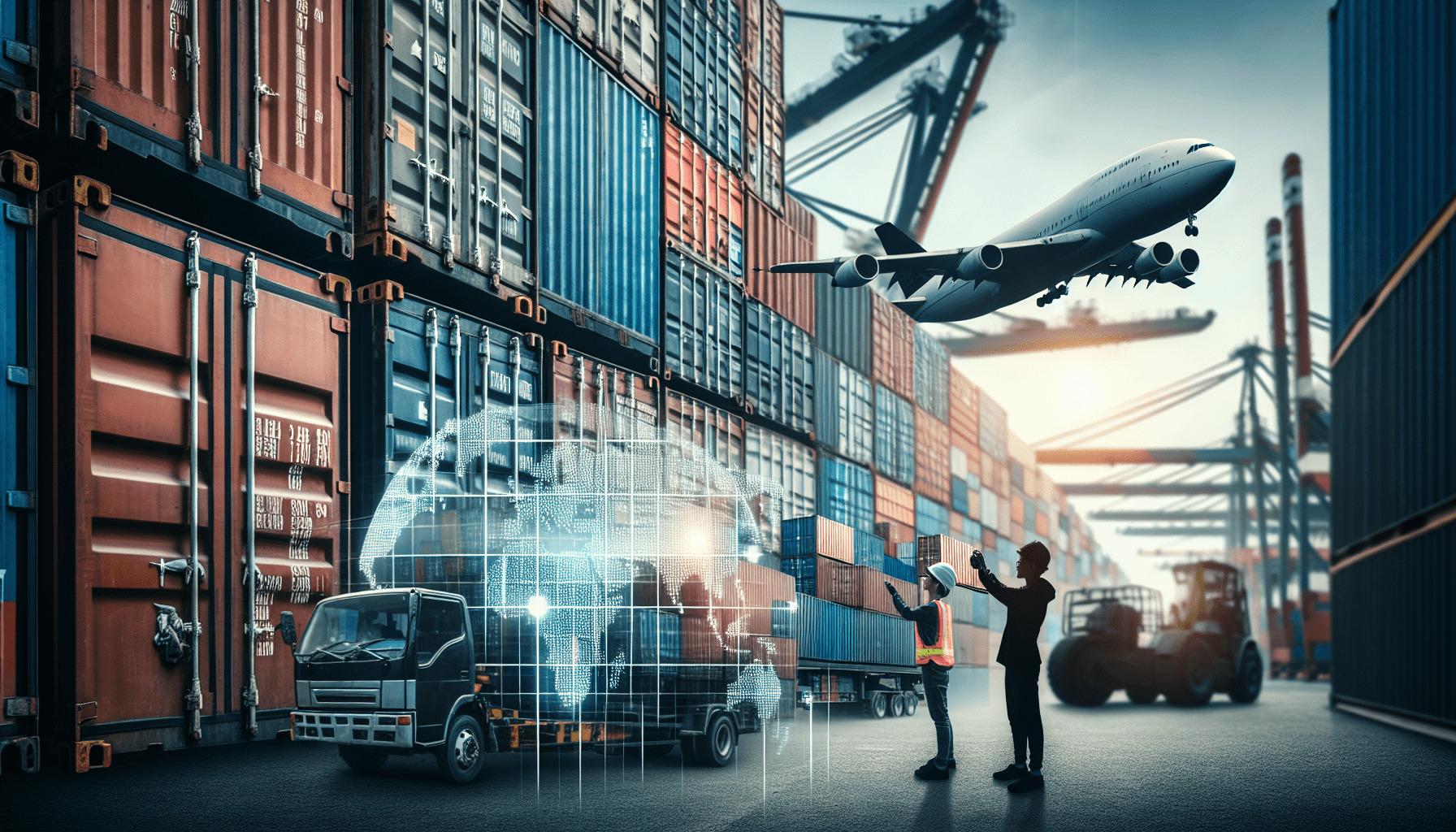
Freight forwarding involves the coordination of transporting goods from the manufacturer or producer to a market, customer, or final destination. The service encompasses a wide range of functions, including shipping coordination, customs documentation, and cargo insurance. The forwarder’s primary role is to manage these processes, alleviating the burden on the shipper.
The Role of Freight Forwarders
When I think about freight forwarders, I envision them as the conductors of an orchestra. They must manage numerous moving parts, including shipping lines, trucking companies, and customs authorities. Key responsibilities of a freight forwarder include:
-
Booking Cargo Space: I ensure that the goods are booked on the appropriate ship, plane, or truck. This step involves negotiating rates and securing the best possible pricing for my clients.
-
Preparing Shipping Documentation: I generate essential documents such as bills of lading, packing lists, and commercial invoices. Accurate documents are vital for smooth customs clearance.
-
Cargo Insurance: My responsibility includes advising clients on insurance options to protect their cargo against potential damages or losses during transit.
-
Customs Clearance: I work with customs agents to facilitate the smooth clearance of goods, ensuring compliance with regulations.
-
Track and Trace: I keep my clients informed about the location of their shipments through tracking services. Offering transparency builds trust and reassurance.
Types of Freight Forwarding Services
In my experience, the freight forwarding industry offers various services tailored to meet clients’ distinct needs. Below is a breakdown of the most common types of freight forwarding services:
| Service Type | Description |
|---|---|
| Air Freight Forwarding | Facilitates the shipment of goods via air transport. |
| Ocean Freight Forwarding | Handles the transport of goods through sea routes. |
| Road Freight Forwarding | Manages domestic trucking operations to move goods. |
| Rail Freight Forwarding | Coordinates the shipment of goods via train services. |
| Customs Brokerage | Provides assistance with customs clearance processes. |
Why Choose Freight Forwarding Services?
Many businesses often ask why they should opt for freight forwarding services instead of handling logistics themselves. Here are several reasons that have stood out to me throughout my career:
-
Expertise: Freight forwarders possess specialized knowledge about international shipping regulations and customs requirements that can save clients from potential pitfalls.
-
Networking: A reliable freight forwarder has a network of trusted carriers, agents, and partners, providing access to better rates and faster services.
-
Time-saving: By outsourcing logistics management, shippers can focus on their core operations, allowing them to channel their resources into business growth rather than administrative functions.
-
Cost Efficiency: Ocean freight or air cargo costs can vary significantly from one carrier to another. Freight forwarders can leverage their relationships to obtain the best pricing for shipping routes.
-
Handling of Documentation: The number of documents involved in international shipping is substantial. A freight forwarder professionally manages paperwork, reducing the likelihood of errors that can lead to delays or fines.
How Freight Forwarding Works
Understanding the workflow of freight forwarding can help clarify the process. Here is a step-by-step breakdown based on my professional experience:
-
Initial Assessment: When a client reaches out, I conduct an assessment of their shipping needs, including the type of goods, destination, and timeline.
-
Quotation: After gathering the necessary information, I provide a detailed quotation, outlining all shipping costs, including freight charges, duties, and any other applicable fees.
-
Documentation Preparation: Upon acceptance of the quotation, I begin preparing essential documents required for shipping and customs clearance.
-
Cargo Pickup: I arrange for the collection of goods from the client’s location and transport them to the designated shipping terminal.
-
Customs Clearance: I submit all necessary documentation to facilitate customs clearance, ensuring compliance with all local and international regulations.
-
Transportation: Depending on the mode of transport selected, I coordinate the movement of goods via air, sea, or land.
-
Final Delivery: Once the shipment arrives at the final destination, I ensure a smooth transfer, managing any last-minute details that may arise.
The Importance of Customs Compliance
Customs compliance is a significant aspect of freight forwarding that cannot be understated. I have often seen businesses suffer due to a lack of understanding of customs regulations, leading to costly delays or confiscated goods. Here’s why customs compliance is critical:
-
Legal Requirements: Each country has its own set of laws and regulations regarding the import and export of goods. Ensuring compliance means avoiding potential legal complications.
-
Cost Implications: Fines, penalties, and additional taxes may apply when goods are not properly declared. By adhering to customs regulations, one can avoid unnecessary financial burdens.
-
Streamlined Processes: Proper documentation and compliance reduce the likelihood of delays at the border, facilitating a smoother shipping experience.
Challenges in Freight Forwarding
While the freight forwarding industry provides exceptional services, it also faces a share of challenges. My experience has taught me to navigate and address some of these obstacles effectively:
-
Regulatory Changes: Constantly evolving regulations can create uncertainty. Staying up-to-date with customs laws is essential for compliance.
-
Global Economic Conditions: Fluctuations in currency and fuel costs can impact shipping rates and timelines. Understanding the market dynamics allows me to mitigate these risks.
-
Capacity Constraints: During peak seasons, capacity can become an issue, leading to increased costs and delays. Maintaining relationships with multiple carriers helps manage these challenges.
-
Technological Changes: As logistics technology evolves, adapting to new systems and software becomes necessary. I strive to stay informed and trained on the latest tools that can improve efficiency.
The Future of Freight Forwarding
As I reflect on the future of freight forwarding, I believe technology will continue to play a significant role in shaping the industry. Here are some trends that I am actively monitoring:
-
E-commerce Growth: The rapid increase in online shopping has driven the need for efficient logistics solutions. Freight forwarders must adapt their services to accommodate this growing market.
-
Digital Transformation: Innovations such as blockchain, artificial intelligence, and the Internet of Things (IoT) can enhance transparency and efficiency in logistics management.
-
Sustainability Initiatives: As businesses become more environmentally conscious, there is a shift toward sustainable shipping practices. Freight forwarders must find ways to minimize their carbon footprint.
-
Automation: Automating processes and simplifying documentation may lead to faster transit times and reduced labor costs.
Conclusion
Navigating the world of freight forwarding services is a complex endeavor, but it serves as the backbone of international trade. Through my experiences in logistics management, I have seen firsthand how vital freight forwarders are in facilitating seamless trade transactions. By understanding the unique responsibilities and challenges faced by forwarders, companies can harness the benefits of these services to ensure their goods arrive safely and efficiently.
In an ever-evolving landscape, I remain committed to staying at the forefront of industry practices, continually seeking ways to enhance efficiency and compliance. The journey of logistics is a fascinating one, demonstrating the interconnectedness of global commerce and the importance of strategic planning and execution in getting goods where they need to be.