Do I Have To File ISF For Other Presentation Equipment And Accessories
Do I need to file an Importer Security Filing (ISF) for other presentation equipment and accessories? This question often arises for individuals and companies involved in the importation of goods, especially in the context of diverse product categories such as presentation equipment and accessories. Understanding the requirements set forth by U.S. Customs and Border Protection (CBP) can be daunting, but it is crucial for compliance and smooth logistics.
Understanding Importer Security Filing (ISF)
The ISF, or Importer Security Filing, is a set of regulations established by the CBP that mandates importers and their agents to submit certain information before goods are shipped to the United States. This filing is critical for risk assessment and ensuring that shipments comply with U.S. laws.
Purpose of the ISF
The primary purpose of the ISF is to enhance U.S. border security, helping CBP to identify potentially high-risk shipments. By collecting this data upfront, CBP can better assess whether a shipment is safe or poses any security concerns.
ISF Filing Requirements
For most ocean freight shipments, ISF must be filed at least 24 hours before the cargo is loaded onto a vessel heading to the U.S. The ISF requires specific data elements which include:
- Importer of Record Number
- Consignee Details
- Manufacturer or Supplier Information
- Country of Origin
- Product Description
- Harmonized Tariff Schedule (HTS) Code
- Container Stuffing Location
- Ship to Party Details
Failure to comply with these requirements could result in hefty fines, delays in shipment, or even the refusal of entry for the goods.
Do Presentation Equipment and Accessories Require ISF Filing?
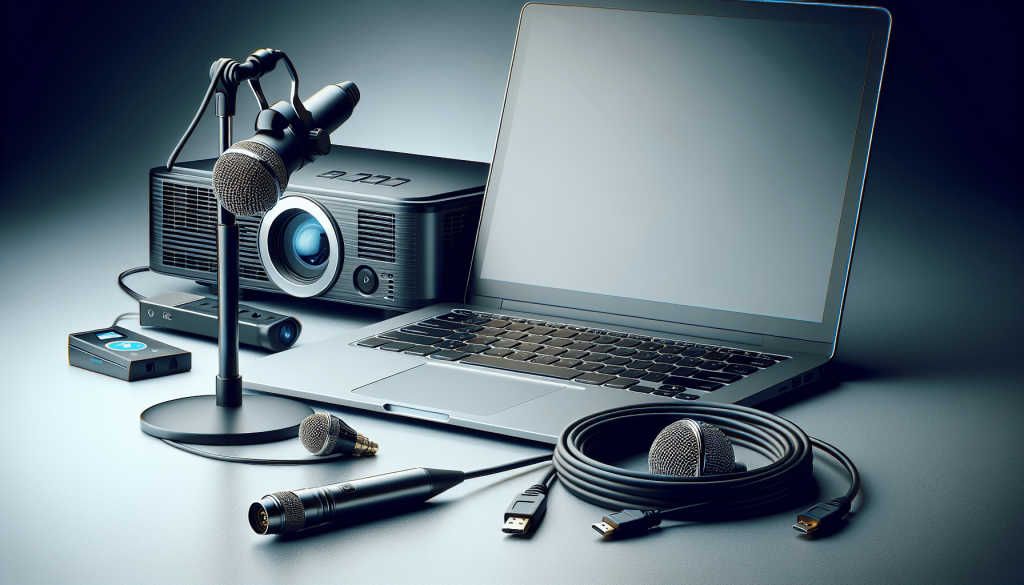
To address the initial question directly: yes, I must file an ISF for presentation equipment and accessories if they are imported into the United States via ocean freight. This category of goods typically includes items such as projectors, microphones, speakers, cables, and related accessories.
Definition of Presentation Equipment
Presentation equipment generally refers to electronic devices and physical tools that assist in delivering presentations, lectures, or speeches. This category can range from simple whiteboards to advanced audiovisual equipment.
Examples of Presentation Accessories
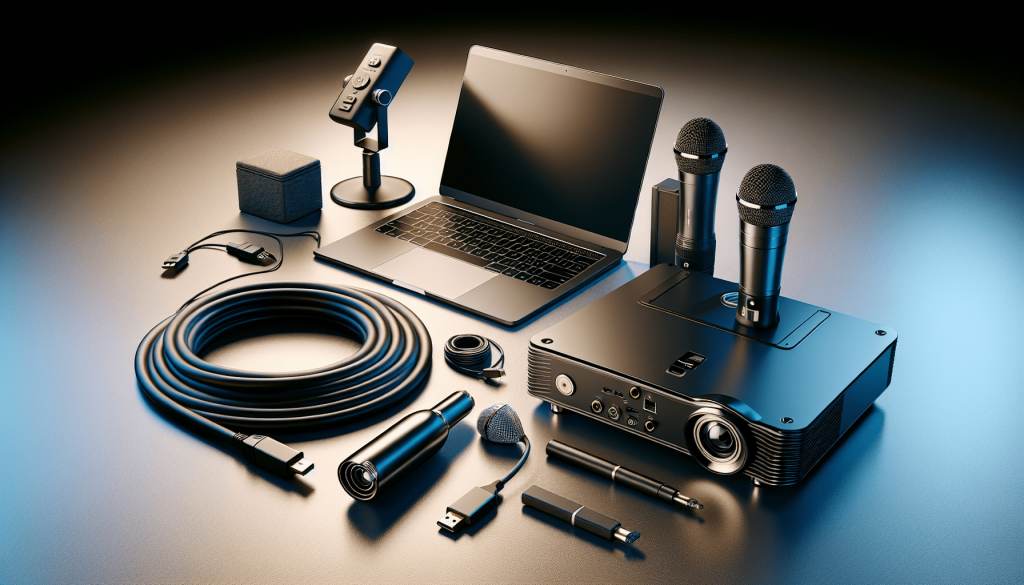
Some examples of presentation accessories that I may need to file ISF for include:
- Microphones: Wired or wireless devices used to amplify sound.
- Cables and Connectors: Essential components facilitating connections between devices.
- Projectors: Equipment for projecting images or videos for display.
- Screens: Portable or fixed screens used as projection surfaces.
- Lighting Equipment: Devices that enhance visibility and atmosphere during presentations.
Regulatory Compliance and Importance of ISF
As an importer, I must understand that regulatory compliance is non-negotiable. The penalties for failing to file an ISF or for filing inaccurate information can be significant. The CBP enforces these regulations rigorously, and being compliant can help mitigate risks and potential financial implications.
Financial Penalties
The ISF regulations stipulate penalties for non-compliance, which can lead to fines of up to $5,000 per violation. The cost of non-compliance can rapidly accumulate if multiple shipments are involved. Therefore, ensuring accurate and timely ISF filing becomes key to maintaining cost efficiency.
Cargo Release Delays
In addition to financial penalties, failure to file ISF can lead to delays in cargo release at the port. This may lead to increased demurrage costs and further logistical complications, stemming from not being able to deliver goods on schedule.
Legal Implications
Not adhering to ISF requirements can also lead to legal repercussions. The seriousness of non-compliance with customs laws underscores the necessity of having all appropriate documentation filed correctly.
Types of Equipment and Their Classification
To ensure I file the ISF correctly, I must classify my presentation equipment accurately under the Harmonized Tariff Schedule (HTS) codes. Let’s take a closer look at how different types of equipment may be categorized.
Projectors
For projectors, the HTS classification typically falls under:
- HTS Code 8528.69: This code covers projectors that are designed for use with video/audio signals.
Microphones
Microphones are classified as follows:
- HTS Code 8518.10: This is for microphones and stands for microphones.
Lighting Equipment
Lighting equipment may fall under a couple of classifications, such as:
- HTS Code 9430.20: This covers certain types of lighting fixtures.
Cables and Connectors
Cables and connectors are categorized under:
- HTS Code 8544.49: This code is for insulated wire and cables.
Accessories
Other accessories not specifically listed might involve additional classifications, requiring careful review to ensure accuracy in ISF filing.
Responsibilities as an Importer
In the context of ISF filing, I hold several responsibilities that are crucial to the import process. Understanding these responsibilities helps to streamline the importation of presentation equipment and accessories.
Provide Accurate Information
I must ensure that all information submitted in the ISF is accurate and complete. Each data field should reflect the true nature of the goods being imported. Inaccuracies can lead to discrepancies that may cause delays or penalties.
Timely Filing
Submitting the ISF in a timely manner is essential. I need to file the ISF at least 24 hours before the cargo is loaded onto the vessel. Timeliness in filing can avoid unnecessary complications.
Collaborate with Customs Brokers
If I am uncertain about how to file the ISF correctly, working with customs brokers can be incredibly beneficial. Customs brokers are trained professionals who can assist in ensuring compliance with all customs-related processes.
Consequences of Non-Compliance
As mentioned earlier, the consequences of failing to file an ISF can be severe. Beyond financial penalties, there are broader implications for businesses that consistently struggle with compliance.
Increased Scrutiny from CBP
Repeated non-compliance can lead to increased scrutiny from CBP not just on future shipments but could also affect overall business operations. If I am seen as a high-risk importer, my shipments may be subjected to additional inspections, causing costly delays.
Damage to Reputation
Moreover, the failure to file ISF accurately and on-time can harm my company’s reputation with suppliers and partners. Inconsistent shipping practices can instill doubt in my reliability as a business entity.
ISF Filing Process
Understanding the process for filing an ISF can make complying with these requirements easier. Here’s a step-by-step breakdown of the filing process:
Step 1: Gather Required Information
Before filing, I should gather all necessary information about the shipment. This includes details about the importer, consignee, product descriptions, HTS codes, and the origin of the goods.
Step 2: Choose a Filing Method
I can choose between submitting the ISF myself, using specialized software, or hiring a customs broker to handle the filing. Using a broker can provide peace of mind, especially if I am unfamiliar with the process.
Step 3: Submit the Filing
After gathering and verifying all required information, I must submit the ISF through the Automated Manifest System (AMS). The submission can usually be made online.
Step 4: Confirmation of Receipt
Once submitted, I should receive an acknowledgment from CBP regarding the acceptance of my ISF. This confirmation is critical as it serves as proof of compliance.
Step 5: Monitor Shipment Status
I must monitor the status of the shipment. This can involve coordinating with logistics partners to ensure everything runs smoothly.
Conclusion
In summary, the necessity of filing an Importer Security Filing (ISF) for presentation equipment and accessories is clear. I have a responsibility to comply with CBP regulations to avoid penalties and ensure a smooth importation process. By understanding the requirements, responsibilities, and procedures involved, I can navigate the complexities of international logistics more effectively.
Understanding and implementing these guidelines will not only protect my business interests but also contribute positively to the overall efficiency of the importation process. Thus, my commitment to ensuring compliance remains vital for the success of my endeavors in importing presentation equipment and accessories. Recognizing the critical role of ISF filing can ultimately lead to more successful international business operations.