Who File ISF For Optical Drives
Have you ever wondered who is responsible for filing the Importer Security Filing (ISF) for optical drives? This is an essential aspect of international trade that ensures compliance with U.S. Customs and Border Protection (CBP) regulations. Understanding who files ISF for optical drives can help streamline the import process and avoid potential delays or penalties.

Understanding Importer Security Filing (ISF)
The Importer Security Filing, commonly referred to as ISF or the “10+2” rule, is a mandatory filing requirement for importers bringing cargo into the United States. The term “10+2” refers to the ten data elements the importer is required to submit, along with two additional elements from the carrier. The inclusion of this filing is to enhance security, facilitate the screening of cargo, and ensure that all necessary information is available to CBP ahead of cargo arrival.
Filing an ISF is not a trivial affair; it is a critical responsibility that directly impacts the efficiency and legality of the import process.
Who is Required to File ISF?
Importers
Typically, the primary entity responsible for filing the ISF is the importer of record. This can be an individual or a business entity that has the legal responsibility for the goods entering the United States. The importer must ensure that all information is accurate and submitted to CBP at least 24 hours prior to cargo loading. This requirement applies broadly across various commodities, including optical drives.
Customs Brokers
In many cases, importers may choose to employ customs brokers to help navigate the complexities of import regulations. Customs brokers are licensed professionals who specialize in customs clearance and can file the ISF on behalf of the importer. Utilizing a customs broker is beneficial, especially for those who are unfamiliar with the intricacies of filing ISF, as they have the expertise in ensuring compliance.
Freight Forwarders
Freight forwarders also play a significant role during the import process, primarily focusing on the logistics and transportation of goods. They may assist in filing ISF to facilitate cargo movement. However, it is crucial to note that although freight forwarders can perform this task, the ultimate responsibility for compliance still lies with the importer.
The Role of Optical Drives in International Trade
Understanding Optical Drives
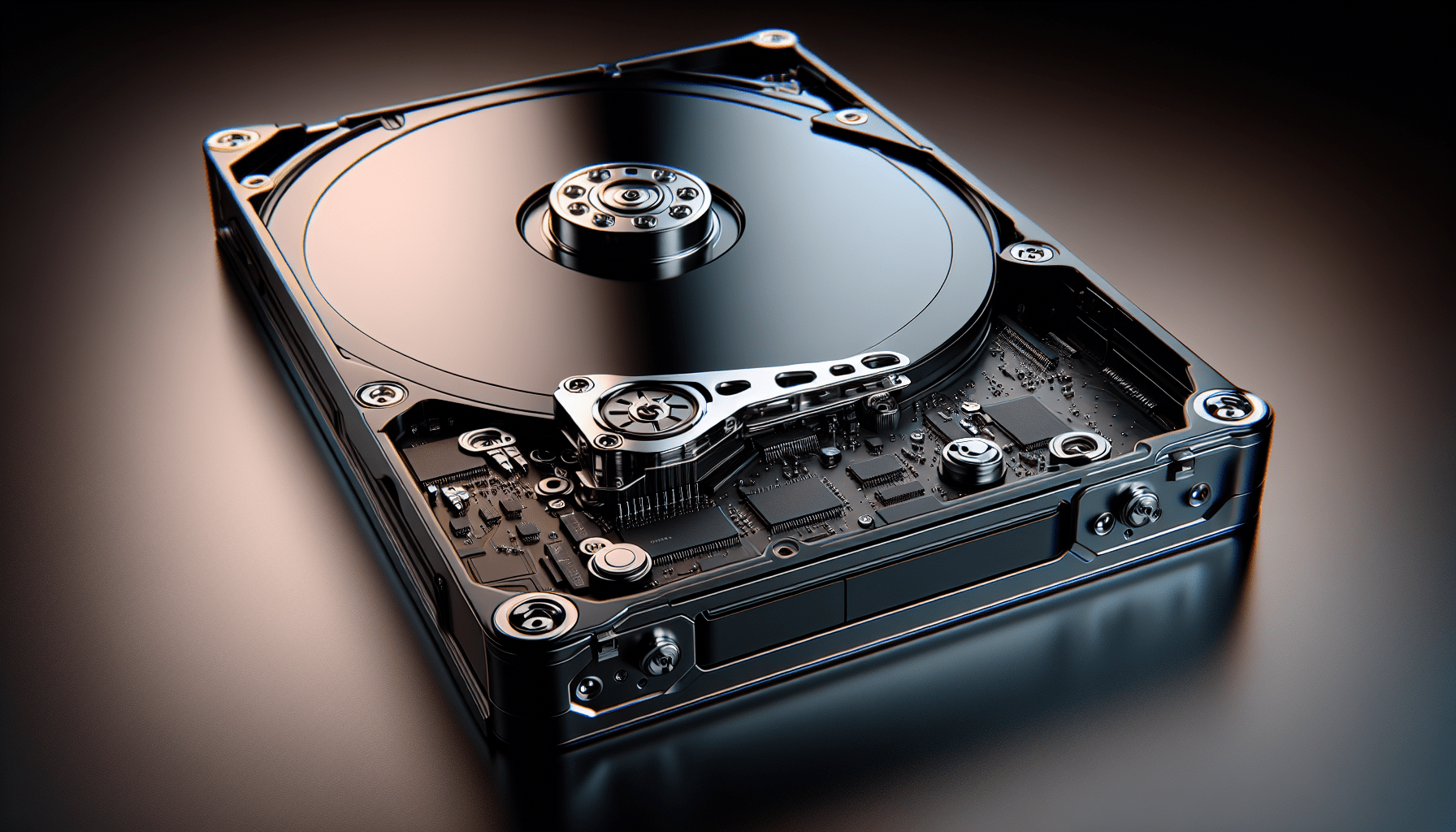
Optical drives are crucial components in numerous electronic devices and serve various purposes, including data storage and media playback. Common types of optical drives include CD, DVD, and Blu-ray players. Their importance in consumer electronics and computer hardware makes the importation of these items a common occurrence.
Market Demand and Import Regulation
The demand for optical drives continues to evolve, primarily due to advancements in technology and changing consumer preferences. As such, importers must be meticulous in adhering to regulations when bringing these devices into the United States. Properly filing the ISF for optical drives not only helps in compliance but also allows for smoother customs clearance.
Key Elements Required for Filing ISF
The ISF must include specific data elements to be considered complete and compliant. Importers must understand these elements thoroughly, as inaccuracies or omissions can lead to delays or sanctions.
The Ten Required Elements
| Required Element | Description |
|---|---|
| Importer of Record | The name and address of the individual or company importing the goods. |
| Consignee | The name and address of the entity to which the goods are being shipped. |
| Manufacturer | The name and address of the manufacturer of the goods. |
| Ship to Address | The physical address where the cargo will be delivered. |
| Country of Origin | The country in which the goods were manufactured or produced. |
| Harmonized Code | The specific HTSUS code that categorizes the goods for customs purposes. |
| Description of Goods | A detailed description that allows for proper identification of the goods. |
| Arrival Date | The estimated arrival date of the cargo into the U.S. |
| Container Information | The container numbers that house the goods being imported. |
| Load Port | The port from which the goods are being shipped. |
The Two Required Elements from Carriers
Alongside the ten elements, two data points are required from the carrier:
| Required Carrier Element | Description |
|---|---|
| Vessel Name | The name of the shipping vessel transporting the goods. |
| Bill of Lading Number | The unique identifier for the shipping document. |
By ensuring these elements are accurately captured, importers can mitigate risks associated with the ISF filing process.
Consequences of Not Filing ISF
Neglecting or incorrectly filing the ISF can result in several repercussions. Understanding these consequences can motivate importers to prioritize compliance, especially when dealing with products like optical drives.
Delayed Shipments
One of the immediate repercussions of failing to file or improperly filing an ISF may be the delay of shipments. CBP can hold cargo for inspection, which can significantly impact supply chains and operational timelines.
Monetary Penalties
Potential financial penalties can also be levied for ISF violations. These penalties can vary based on the severity of the violation, with consequences ranging from fines to increased scrutiny on future shipments.
Legal and Compliance Issues
In the worst-case scenario, continuous non-compliance with ISF regulations can lead to legal issues. Importers may face more in-depth investigations, potentially harming reputations and leading to long-term implications on business operations.
Best Practices for Filing ISF for Optical Drives
Staying Informed about Regulations
Keeping up to date with changes in regulations is crucial. The landscape of international trade is constantly evolving, and importers must adapt to new compliance requirements. Regularly reviewing CBP updates, industry newsletters, and trade publications can help enhance awareness.
Utilizing Technology
Leveraging technology can streamline the ISF filing process. Many companies invest in comprehensive software solutions that allow for accurate data capturing and management. These technological tools can significantly reduce human errors and improve efficiency.
Engaging Expertise
Considering the complexities involved in ISF filing, it may be prudent to consult with professionals in the field. Partnering with a knowledgeable customs broker or legal advisor can help ensure compliance, especially when dealing with specialized items such as optical drives.
Training and Development
For companies involved in the import of optical drives, investing in employee training can enhance compliance. Understanding the significance of accurate ISF filings and the implications of errors can cultivate a more informed workforce.
Conclusion: The Importance of Accurate ISF Filing for Optical Drives
Comprehensively understanding who files ISF for optical drives is key to a smooth import process. The importer, customs brokers, and freight forwarders each have distinct roles that contribute to compliance with U.S. regulations. By following best practices regarding ISF submissions—going from staying informed to utilizing technology—importers can not only avoid significant penalties but also ensure timely delivery of products.
Filing an ISF may seem like a simple administrative task, but its importance cannot be overstated. As I continue navigating the international import landscape, I remain committed to staying informed and engaging with experts to navigate any challenges that arise. The successful importation of optical drives and other goods hinges on every stakeholder taking shared responsibility for compliance.