Why Should I File ISF For Other Grain Processing Machinery
Why is it essential to file the Importer Security Filing (ISF) for grain processing machinery? When venturing into the world of international trade, particularly concerning the importation of grain processing equipment, I find that understanding the regulatory requirements is paramount. In this article, I aim to break down the significance of filing the ISF and address the complexities involved in grain processing machinery.

Understanding the Importer Security Filing (ISF)
Before I discuss why filing the ISF is essential for grain processing machinery, it’s crucial to understand what this filing entails. The ISF, often referred to as the “10+2” rule, is a regulation implemented by U.S. Customs and Border Protection (CBP). It mandates that importers submit information regarding their shipments before goods are loaded onto a vessel bound for the United States.
The Rationale Behind the ISF
The main purpose of the ISF is to enhance security measures in the U.S. Importing process. I want to ensure that my shipments are not only compliant but also aligned with the safety protocols enforced by customs. The filing helps the CBP assess potential risks associated with imported cargoes, making the process simpler and safer for all parties involved.
Who Needs to File ISF?
Understanding who is responsible for filing the ISF is crucial. As the importer, I am typically required to file the ISF before the goods arrive in the U.S. I must provide specific information related to the shipment, including details about the importer, manufacturer, consignee, and the products involved—especially in the case of specialized machinery like grain processing equipment.
Importance of ISF for Grain Processing Machinery
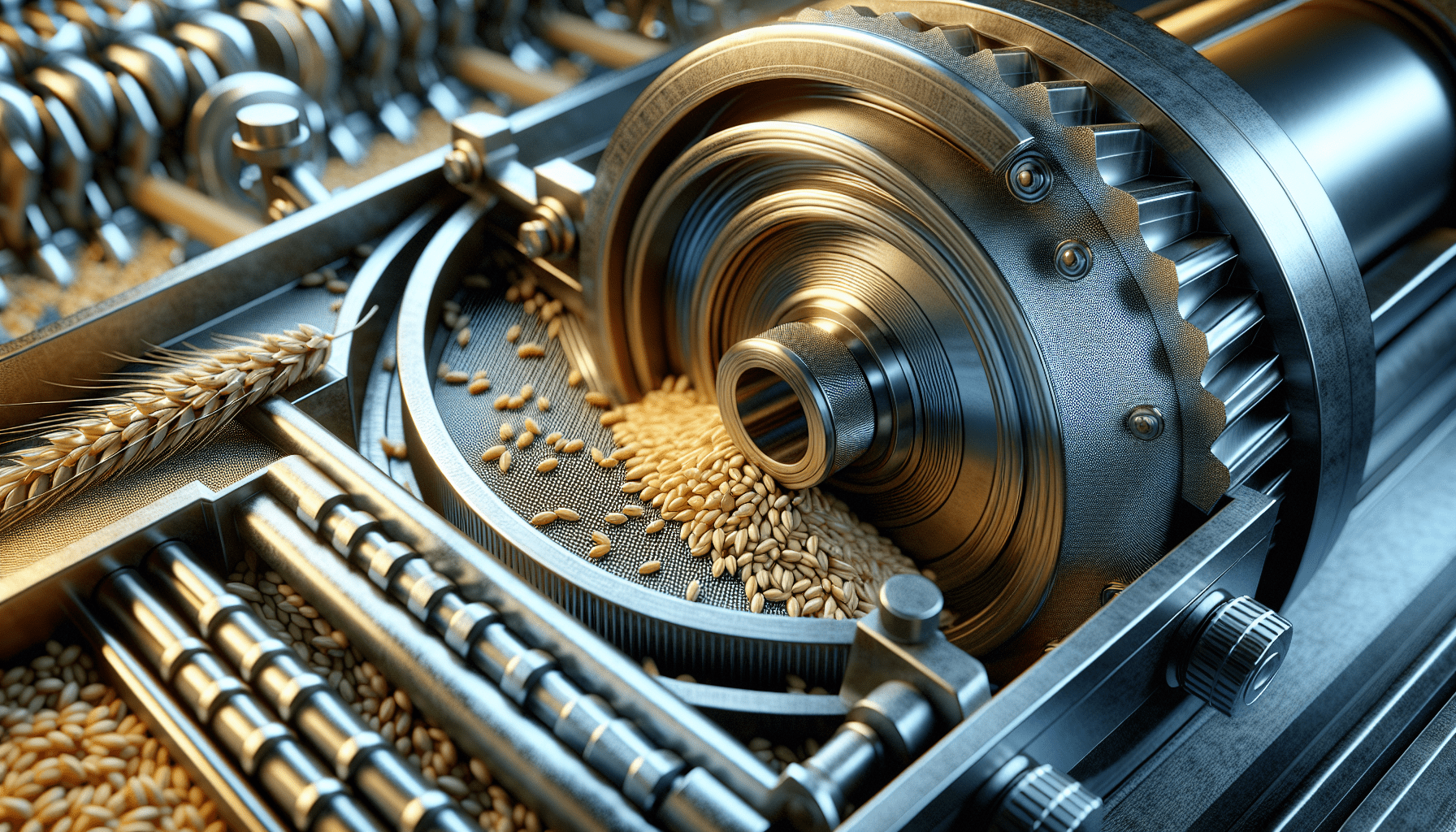
Filing the ISF specifically for grain processing machinery holds particular importance due to its unique nature. Grain processing machinery can encompass various complex components and systems, which necessitate careful monitoring throughout the import process.
Regulatory Compliance
Adhering to ISF requirements signifies that I comply with U.S. laws. This compliance is vital, as failure to file or providing incorrect information can lead to severe penalties. Regulatory bodies enforce these policies to maintain heightened security during imports.
Streamlined Processing
Filing the ISF helps facilitate smoother customs processing upon arrival at U.S. ports. With grain processing machinery often comprising multiple components, having clear documentation allows customs officers to efficiently assess and clear my shipments. This efficiency ultimately reduces the likelihood of delays and helps avoid additional holding costs at the port.
Risk Mitigation
In light of recent global events, national security has become increasingly prioritized. By filing an ISF, I contribute to risk mitigation strategies that protect not only my business interests but also the security of the nation. CBP uses the information provided in the ISF to identify potentially harmful shipments, thereby helping ensure safe trade practices.
Components Required in ISF Filing
Filing the ISF involves providing specific details about the cargo. Each component serves a unique purpose, assisting customs in assessing the risk associated with the shipment. Below, I outline the crucial components required in the ISF filing:
| Component | Definition | Importance |
|---|---|---|
| Importer Name | The legal identity of the importer | Establishes ownership and liability |
| Consignee Name | The individual or company to receive the goods | Clarifies the destination of the machinery |
| Manufacturer Name | The company that produced the machinery | Helps trace the origin and standards of the products |
| Country of Origin | Where the machinery was manufactured | Essential for tariffs and trade agreements |
| Harmonized Code | A classification code for the goods | Aids in customs duties assessment |
| Container Information | Details of the container(s) used | Helps logistics and tracking of shipments |
| Bill of Lading Number | Reference number for cargo shipment | Essential for transport documentation |
| Exporter Name | The entity exporting the machinery | Identifies the overseas party involved |
| Booking Reference Number | Unique identifier for the shipment | Facilitates easy tracking within the shipping line |
| Other Identifiers | Any additional necessary identifiers | Ensures complete and accurate shipping information |
Additional Considerations
While the list above comprises core components required for the ISF filing, there are additional factors I pay attention to when importing grain processing machinery. Various regulations might affect different types of machinery based on the specifications of equipment. For instance, if I import machinery designed for organic grain processing, I may need to submit supplementary documentation verifying its compliance with organic standards.
Consequences of Non-Compliance
Understanding the ramifications of failing to file an ISF for other grain processing machinery is critical to running a successful business.
Financial Penalties
One of the most immediate consequences I face for non-compliance is financial penalties. The U.S. CBP can levy fines for failure to file an ISF, which could range from $5,000 for late filings to even more substantial penalties for omissions or inaccuracies. These fees can accumulate rapidly and significantly cut into my profit margins.
Shipment Delays
Delays in shipments can be significantly detrimental to my operations. If the ISF is not filed correctly or on time, customs may hold my grain processing machinery until the issues are resolved. This unwanted delay could hinder my production timelines, disrupt business operations, and affect client relationships.
Engendering a Negative Reputation
In the world of international trade, reputation holds immense importance. Frequent issues related to compliance can tarnish my standing with suppliers and clients. A poor compliance history could lead to difficulties in establishing new trade partnerships, affecting my business growth.
Tips for Efficient ISF Filing
To mitigate the risks associated with filing ISF for grain processing machinery, I find it helpful to adopt a series of best practices that streamline the process.
Maintain Accurate Documentation
Opting for up-to-date and precise documentation is a fundamental aspect of filing the ISF efficiently. I routinely verify all details regarding the machinery I plan to import—ensuring consistency between purchase orders, invoices, and shipping documents.
Collaborate with Trusted Customs Brokers
Engaging with a reputable customs broker provides me with the necessary expertise required to handle ISF filings. Their knowledge of customs regulations and nuances concerning grain processing machinery can prove invaluable in avoiding potential pitfalls.
Leverage Technology for Tracking
Utilizing technology solutions enables me to streamline the ISF filing process. Many software solutions can automate the documentation, allowing me to save time and ensuring I do not overlook any critical components of the filing.
Maintain Regular Communication with Suppliers
I establish open lines of communication with my suppliers to gather essential details regarding the machinery being imported. This rapport affords me timely and accurate information, making it easier to comply with ISF requirements.
An Overview of the Filing Process
Filing an ISF may seem intimidating, but when I break it down into manageable steps, it becomes a straightforward task.
Step 1: Gather Necessary Information
The first step in the filing process is to collect all required information about the shipment, including shipment details, supplier data, and transport information. This initial groundwork facilitates a smoother filing process.
Step 2: Determine the Right Filing Method
I have options when it comes to filing the ISF. I can file directly through CBP’s electronic system or use a customs broker to manage the submission. I choose the option that best fits my operational needs.
Step 3: Submit the ISF
Once I have compiled all the necessary information and selected the appropriate filing method, I proceed to submit the ISF at least 24 hours before the cargo is loaded onto a vessel bound for the U.S.
Step 4: Confirm Submission and Track Status
After submitting the ISF, I verify the submission and track its status. I remain vigilant during this process to identify any potential errors or issues that might arise.
Step 5: Maintain Records
I ensure that I keep documented records of all filings and submissions made regarding ISF for audit and compliance purposes. Proper record-keeping is integral to my business’s ability to respond to inquiries from CBP or other regulatory bodies.
Common Mistakes to Avoid
Even with adequate preparation, there are common mistakes I can avoid to ensure compliance with ISF requirements.
Inaccurate or Missing Information
Providing inaccurate or missing information can lead to unnecessary fines and delays. It is essential that I cross-reference all details before submitting to mitigate these errors.
Late Submission
Failing to file the ISF within the mandated timeframe can result in financial repercussions. I ensure that I allow ample time for filing before the 24-hour deadline.
Ignoring Changes in Regulations
Trade regulations can frequently shift as new policies are introduced. Staying informed about changes that might affect my filings ensures that I remain compliant with the latest requirements.
Conclusion
Deciding to file the Importer Security Filing for other grain processing machinery is not merely a bureaucratic obligation; it is a critical component of engaging in international trade responsibly. Through adherence to filing requirements, I enhance my operational efficiency, promote national security, and protect my business interests.
Understanding why filing the ISF is essential prepares me to navigate through the complexities of global commerce. It is imperative that I remain proactive, ensuring accuracy and compliance throughout the process, as the implications of enforcement are far-reaching and can heavily influence my business.
As I continue to import grain processing machinery, I will keep these considerations and regulations in mind, allowing me to foster a strong foundation for my import processes and making adjustments as necessary to stay ahead of evolving requirements.