Do I Have To File ISF For Lamination Machines
Do I Really Need to File an ISF for Lamination Machines?
In the world of international shipping and trade, compliance with customs regulations is crucial, particularly when it comes to the Importer Security Filing (ISF). If you’re involved in importing lamination machines, you might be wondering whether this requirement applies to you. The answer to this question can significantly impact your import process and overall compliance strategy.
Understanding Importer Security Filing (ISF)
The Importer Security Filing (ISF), commonly referred to as the “10+2” program, pertains to U.S. Customs and Border Protection (CBP) regulations designed to enhance cargo security. The primary goal is to provide CBP with advance shipment data that allows for better risk assessment and targeting of freight before it arrives at U.S. ports.
Why is ISF Important?
Filing an ISF is mandatory for all import shipments arriving by ocean. The filing allows Customs to identify potentially hazardous or illegal imports before they reach the shore. Failing to comply can lead to a variety of consequences ranging from fines to delays in cargo release. Hence, understanding whether your lamination machines fall under this requirement is essential.
What Is Included in the ISF Filing?
The ISF requires specific information that needs to be submitted at least 24 hours prior to using the cargo loading. Primarily, the ISF consists of the following data points:
- Seller Information: Full name and address.
- Buyer Information: Full name and address.
- Importer of Record Number: This could be your EIN or Social Security Number.
- Consignee Number: If applicable, this generally signifies the party that will receive the cargo.
- Manufacturer/Supplier Information: Full name and address.
- Country of Origin: Where the machines are produced.
- HTSUS Number: The Harmonized Tariff Schedule of the U.S. number, which is crucial for tariff classification.
- Container Status: This represents whether the shipment is a full container load (FCL) or less than container load (LCL).
- Vessel Name and Voyage Number: Essential for tracking purposes.
- Commodity Description: A clear description of the lamination machines being imported.
Consequences of Non-Compliance
Not adhering to ISF filing can have serious repercussions. Fines can go up to $5,000 per violation, and repeated violations may lead to enhanced scrutiny from customs. This increased scrutiny can delay future shipments, adversely affecting my business operations.
Do Lamination Machines Require ISF Filing?
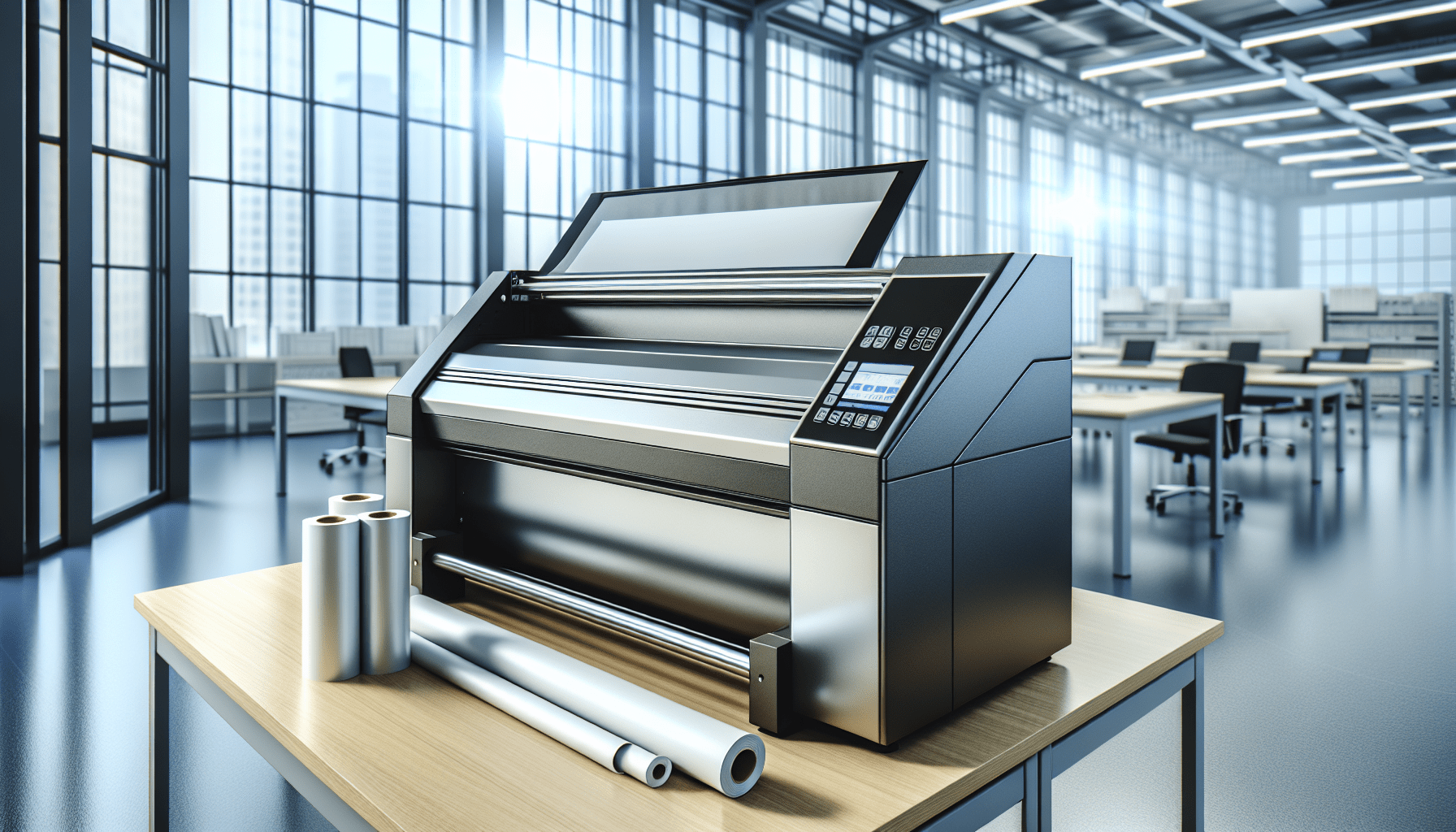
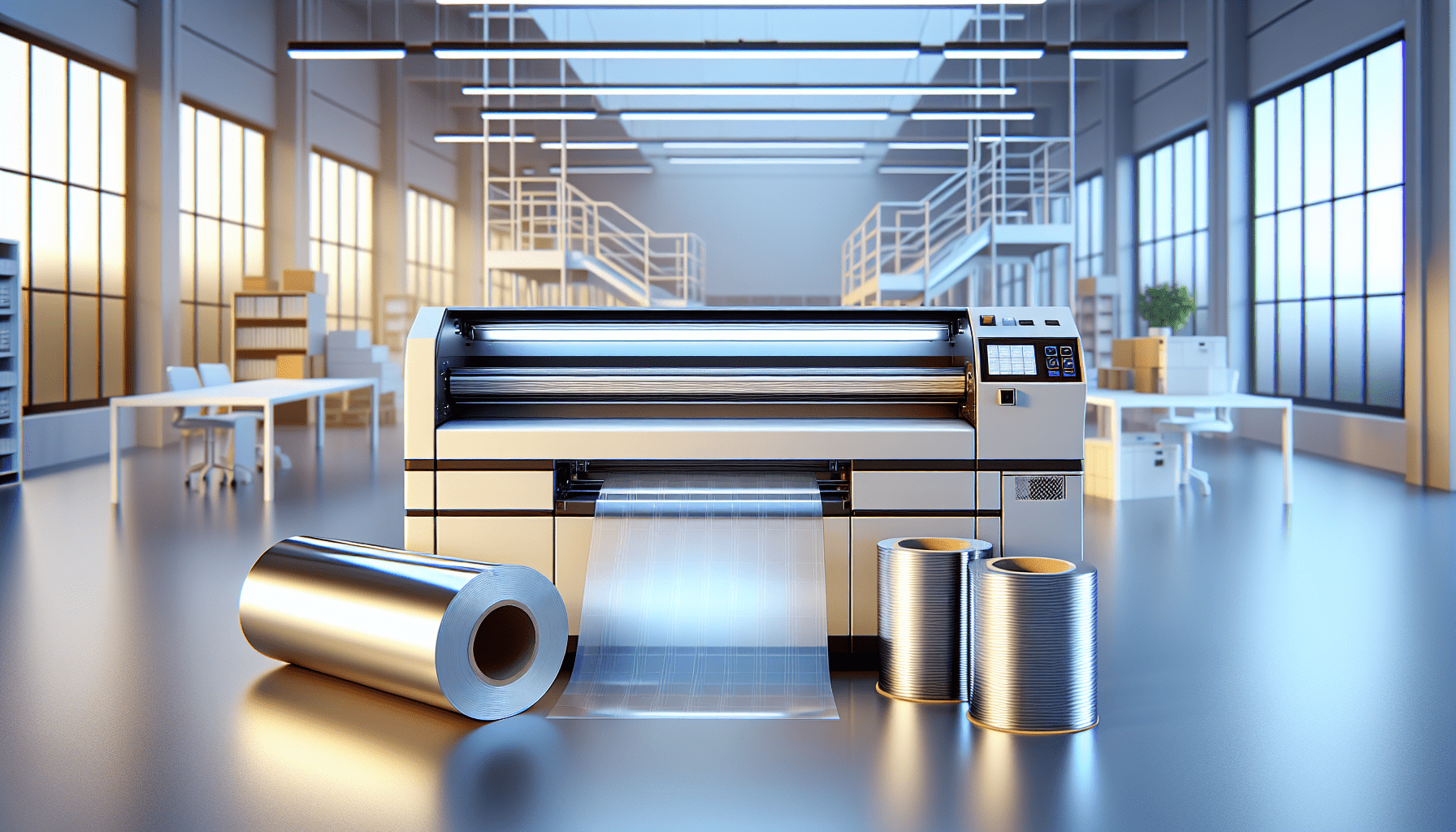
Now, I address the central question regarding lamination machines. Generally speaking, any machinery, including lamination machines, imported by ocean freight typically falls under ISF filing requirements. The nature of the machines and their intended use does not exempt them from the process.
Categories of Lamination Machines
Before proceeding, let’s discuss different types of lamination machines and their implications on ISF filing:
| Type of Lamination Machine | Standard ISF Requirement |
|---|---|
| Hot Laminators | Yes |
| Cold Laminators | Yes |
| Roll Laminators | Yes |
| Pouch Laminators | Yes |
Under most circumstances, the requirement to file ISF is applicable regardless of the machine’s use or specifications.
Best Practices for Filing ISF
Filing ISF is not merely a matter of compliance; it can significantly streamline the customs process for me. Here are some best practices I have found useful.
Engage a Licensed Customs Broker
Partnering with a customs broker can ease the process significantly. They are well-versed in ISF requirements and can ensure that my filings are accurate and timely. This minimizes the chances of delays and mistakes.
Double-check Your Data
The accuracy of the information submitted in the ISF is paramount. I always ensure that the names, addresses, and numerical identifiers are correct to avoid potential disputes with customs.
Keep Up with Changes
Regulations surrounding ISF and customs compliance can evolve. Staying informed about any regulatory changes helps me maintain compliance and avoid penalties.
What Happens After Filing ISF?
Once I submit the ISF, it is reviewed by US Customs and Border Protection. They assess the risk associated with my shipment. Depending on their analysis, they may decide to inspect the shipment, which could result in delays.
Possible Outcomes of ISF Filing
| Outcome | Description |
|---|---|
| No Action | Clearance of cargo as per standard procedures. |
| Random Inspection | Cargo is pulled for further examination. |
| Release with Conditions | Cargo is released but subject to specific follow-up. |
| Hold Until Further Review | Cargo is held for more stringent checks or inquiries. |
Understanding these outcomes is crucial so that I am prepared for any potential issues that may arise.
Importance of Accurate Harmonized Tariff Codes
HTSUS numbers determine the tariffs applied to imported goods and are essential for the ISF filing. By accurately identifying the HTSUS code for lamination machines, I can avoid costly penalties and ensure compliance with customs regulations.
Determining the Correct HTSUS Code
Typically, the HTSUS codes for lamination machines can fall under a variety of categories. It is essential to consult with customs regulations or a customs expert for the most accurate classification.
Potential Penalties for Incorrect HTSUS
The ramifications of using the wrong HTSUS code can be severe, including the collection of additional duties, penalties, or in extreme cases, seizure of the goods. Thus, I always ensure the accuracy of the HTSUS code is a foremost consideration in the filing process.
Is There an Alternative to Filing ISF for Lamination Machines?
Currently, there are no explicitly outlined exemptions that would allow for bypassing ISF filings for lamination machines. Compliance with ISF is a mandatory requirement for maritime imports to the U.S.
Situations or Exemptions
That said, certain shipments could be exempt from ISF. However, these exceptions typically apply to specific types of cargo, such as personal effects or certain government shipments, and do not generally cover commercial machinery.
Should I File ISF if I Am Shipping Lamination Machines via Air or Land?
Import regulations differ based on the mode of transport. If my lamination machines are shipped by air or land, an ISF filing is generally not required. However, I must file an Electronic Export Information (EEI) if the shipment is subject to export control.
Knowing the Distinctions
Understanding the distinction between land, air, and sea shipping is pivotal for my compliance strategy. Each mode has its own regulatory requirements that may affect my operations.
Additional Documentation to Consider
Filing the ISF is not the sole documentation I must handle. I also need to consider:
- Commercial Invoices: These provide the value and description of the goods.
- Packing Lists: These help customs understand what is included in each shipment.
- Bill of Lading: This documentation acts as a receipt and contract between shippers and carriers.
Organizing all necessary documents is a best practice I follow to facilitate smoother customs clearance.
Importance of Maintaining Good Record-Keeping
Efficient record-keeping plays a fundamental role in compliance and operational effectiveness. I maintain records of all documents related to my shipments for a period of at least five years in case of future inquiries from customs.
Conclusion
Navigating customs regulations, particularly the ISF filing process, can seem daunting but is crucial for anyone involved in international trade, especially for those importing lamination machines. Knowing that the ISF filing is required enables me to be prepared and compliant, thus streamlining my operations.
By following best practices, keeping abreast of regulatory changes, and seeking expert guidance when necessary, I can make the process manageable and efficient. Ultimately, the aim is to avoid penalties, facilitate smoother importation, and ensure that my business continues to thrive in an ever-evolving landscape.
In summary, if I am importing lamination machines via ocean freight, filing an ISF is not just a suggestion but a requirement I must adhere to diligently.