Freight Forwarding Services
What role does freight forwarding play in the logistics industry?
Freight forwarding is a crucial component of the global logistics framework. It serves as the backbone for transporting goods from one location to another, ensuring that shipments arrive timely and efficiently. For businesses engaging in international trade or domestic shipping, understanding freight forwarding services is essential for optimizing supply chains and reducing operational costs.
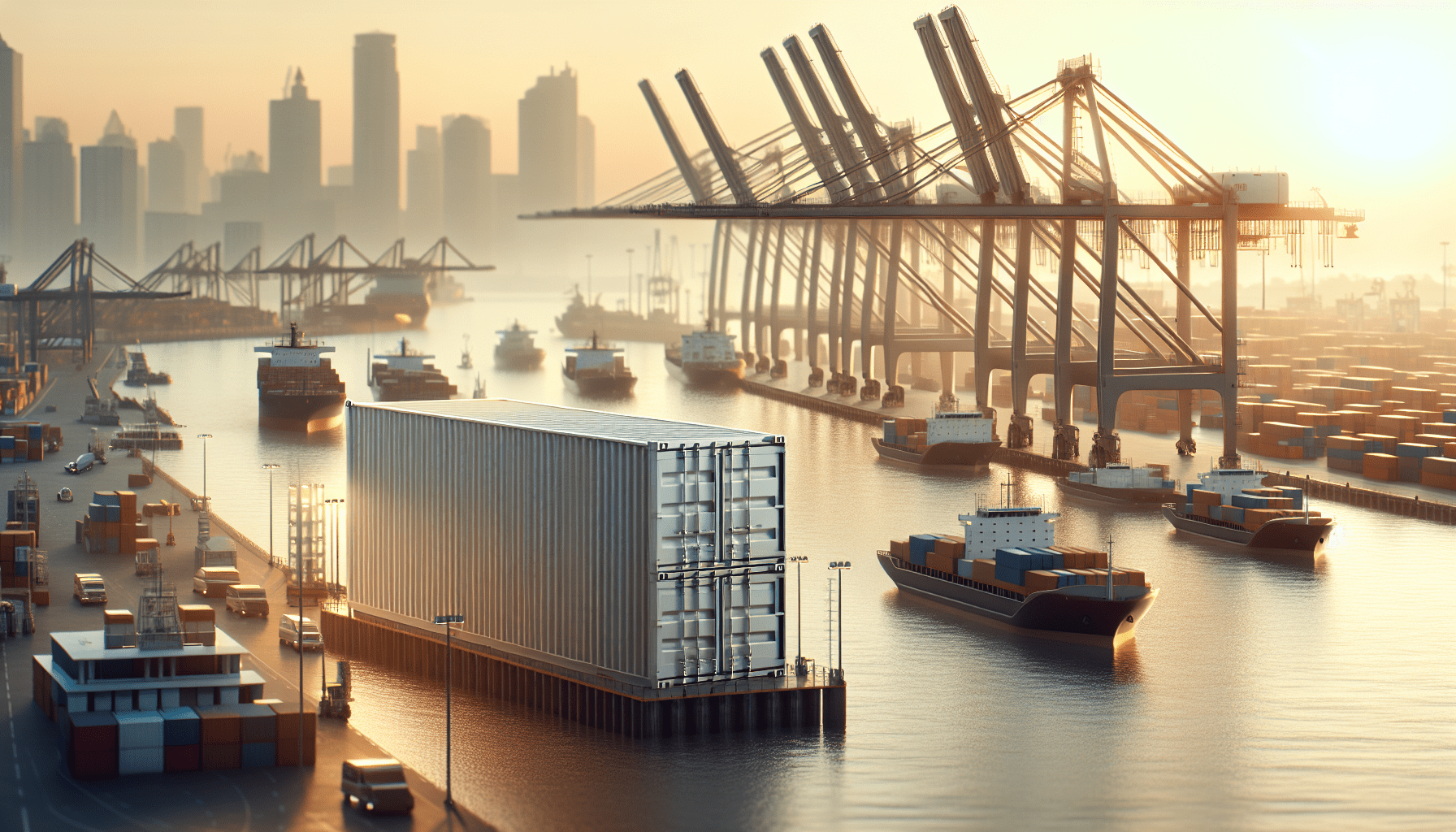
What is Freight Forwarding?
Freight forwarding is the process of arranging the shipping and handling of goods on behalf of a client. I serve as a liaison between multiple stakeholders, including manufacturers, suppliers, and carriers. My primary responsibility is to manage the logistics involved in the entire shipping process, which can include documentation, tracking, and customs clearance.
The Role of Freight Forwarders
As a freight forwarder, I coordinate various logistics services, ensuring that products are transported securely and efficiently. This can include selecting the most suitable shipping routes, negotiating with carriers, and managing documentation required for international shipping.
Key Services Provided by Freight Forwarders
In my experience, I find that freight forwarders offer a range of services, including:
-
Transportation Management: I organize the most efficient transportation options based on the client’s requirements, whether by air, sea, or land.
-
Customs Clearance: I assist clients in navigating the complex customs regulations and ensure that all necessary paperwork is correctly completed to avoid delays.
-
Documentation Management: Accurate documentation is critical for shipping. I handle bills of lading, invoices, and any other paperwork to ensure compliance with regulations.
-
Cargo Insurance: Protecting the shipment from unforeseen circumstances is vital. I often recommend cargo insurance to safeguard the interests of my clients.
-
Warehousing Solutions: In some cases, I offer storage solutions for goods. This provides clients with flexibility in managing their inventory.
-
Consolidation Services: For clients shipping smaller loads, I provide consolidation services, allowing multiple shipments to be combined into a single shipment to reduce costs.
Importance of Freight Forwarding in the Supply Chain
I recognize that efficient supply chain management is crucial for the success of a business. Freight forwarding plays an integral role in this ecosystem by facilitating timely delivery and ensuring that goods are handled safely.
Enhancing Efficiency
By employing freight forwarding services, I can streamline the shipping process, minimizing delays and optimizing routes. This efficiency directly contributes to improved customer satisfaction and cost-effectiveness.
Improving Visibility
Freight forwarders provide tracking services, allowing me to monitor shipments in real-time. This visibility is essential for managing expectations and anticipating any potential issues that may arise during transportation.
Risk Management
Shipping goods inherently involves risks, such as damage, theft, or delays. As a freight forwarder, I mitigate these risks through proper planning, insurance solutions, and contingency strategies, ensuring that my clients’ interests are safeguarded.

Types of Freight Forwarding Services
Understanding the various types of freight forwarding services can help me better meet the specific logistics needs of my clients. Below are some of the common types:
Air Freight Forwarding
Air freight forwarding is ideal for urgent or high-value shipments. In my experience, airlines can facilitate faster transit times compared to other methods. When I arrange air freight, I focus on choosing the most reliable carriers and managing any potential challenges associated with customs and documentation.
Ocean Freight Forwarding
Ocean freight forwarding is typically used for bulk shipments or goods that are not time-sensitive. It is more cost-effective for long-distance transportation. My role involves finding the best shipping lines and containers and ensuring compliance with international maritime regulations.
Land Freight Forwarding
Land freight services include trucking and rail transport. I can coordinate shipments for domestic logistics, ensuring timely delivery between distribution centers. In cases of cross-border transportation, I also manage the associated customs requirements.
Intermodal Freight Forwarding
Intermodal shipping utilizes multiple modes of transportation, combining land, sea, and air services. I find this method to be efficient for managing long-distance shipments, as it allows for flexibility in choosing the most effective route while leveraging the strengths of different carriers.
Choosing the Right Freight Forwarding Service
Selecting the right freight forwarding service is vital for ensuring a smooth shipping process. In my professional opinion, several factors should be considered when making this decision.
Reputation and Experience
When looking for a freight forwarder, I prioritize companies with a solid reputation and extensive experience in the industry. A seasoned freight forwarder is more likely to navigate challenges effectively and provide high-quality service.
Network of Carriers
A well-connected freight forwarder can offer more options and flexibility regarding carriers. This extensive network allows me to select the best routes and keep costs competitive.
Technology and Tracking Capabilities
Modern freight forwarding involves leveraging technology for tracking and managing shipments. I prefer freight forwarders that utilize advanced tracking systems to provide real-time updates and facilitate communication between stakeholders.
Customer Support
Freight forwarding can be complex, and having access to responsive customer support is essential. I look for service providers that offer personalized assistance and are available to address any questions or concerns promptly.
Regulations in Freight Forwarding
Working in freight forwarding necessitates a deep understanding of various regulations and compliance requirements. I must remain updated on international shipping laws, import/export restrictions, and customs regulations.
Customs Regulations
Customs laws vary by country, and it’s my responsibility to ensure that all shipments adhere to these regulations. This includes completing necessary documentation and paying applicable duties and taxes.
International Trade Agreements
I must also be aware of international trade agreements, which can impact tariffs and other regulatory concerns. Understanding these agreements helps me advise my clients on reducing costs and optimizing their supply chain.
Safety and Security Regulations
Shipping goods often involves compliance with safety and security regulations. I take necessary precautions to protect the shipment and ensure that it meets specific safety standards.
Challenges in Freight Forwarding
While freight forwarding is essential for efficient logistics, I have encountered several challenges in this field that can affect the shipping process.
Delays and Disruptions
Unexpected delays can arise from various factors, such as weather conditions or port congestion. I remain proactive in monitoring shipment statuses to communicate potential disruptions to my clients.
Rising Costs
Shipping costs can fluctuate due to various factors, including fuel prices and carrier fees. I continually analyze cost structures and market conditions to find the best options for my clients, helping them minimize expenses.
Documentation Errors
Errors in shipping documentation can lead to delays and penalties. I pay meticulous attention to detail when processing paperwork to ensure accuracy and compliance with regulations.
The Future of Freight Forwarding
The freight forwarding industry is evolving rapidly, driven by technological advancements and changing global trade dynamics. I see several trends shaping the future of freight forwarding.
Technology Integration
The use of technology, such as artificial intelligence and blockchain, is revolutionizing freight forwarding. I anticipate that these tools will enhance transparency, improve tracking, and streamline operations.
Sustainability Focus
Businesses are increasingly prioritizing sustainability in their supply chains. As a freight forwarder, I am committed to promoting eco-friendly shipping practices and exploring innovative solutions to reduce carbon footprints.
E-commerce Growth
The rise of e-commerce has significantly impacted logistics, leading to greater demand for efficient freight forwarding services. I recognize the need to adapt strategies to cater to the evolving needs of online retailers.
Conclusion
Freight forwarding services are pivotal in managing the complexities of logistics, especially in an increasingly global marketplace. By leveraging the expertise of freight forwarders, companies can enhance efficiency, improve visibility, and mitigate risks associated with shipping goods worldwide.
As I reflect on my experience in the field, I am continually motivated to adapt to the changing landscape of logistics while providing exceptional services for my clients. By understanding the intricacies of freight forwarding, businesses can ensure their supply chains remain competitive and responsive to market demands.