Freight Forwarding Services
Have you ever wondered how goods travel from one part of the world to another seamlessly? The answer often lies in freight forwarding services. As someone who has navigated this intricate landscape, I have gained insights into the essential role these services play in global logistics. This extensive article examines freight forwarding, its significance, and the myriad of career opportunities it presents in the logistics sector.
Understanding Freight Forwarding Services
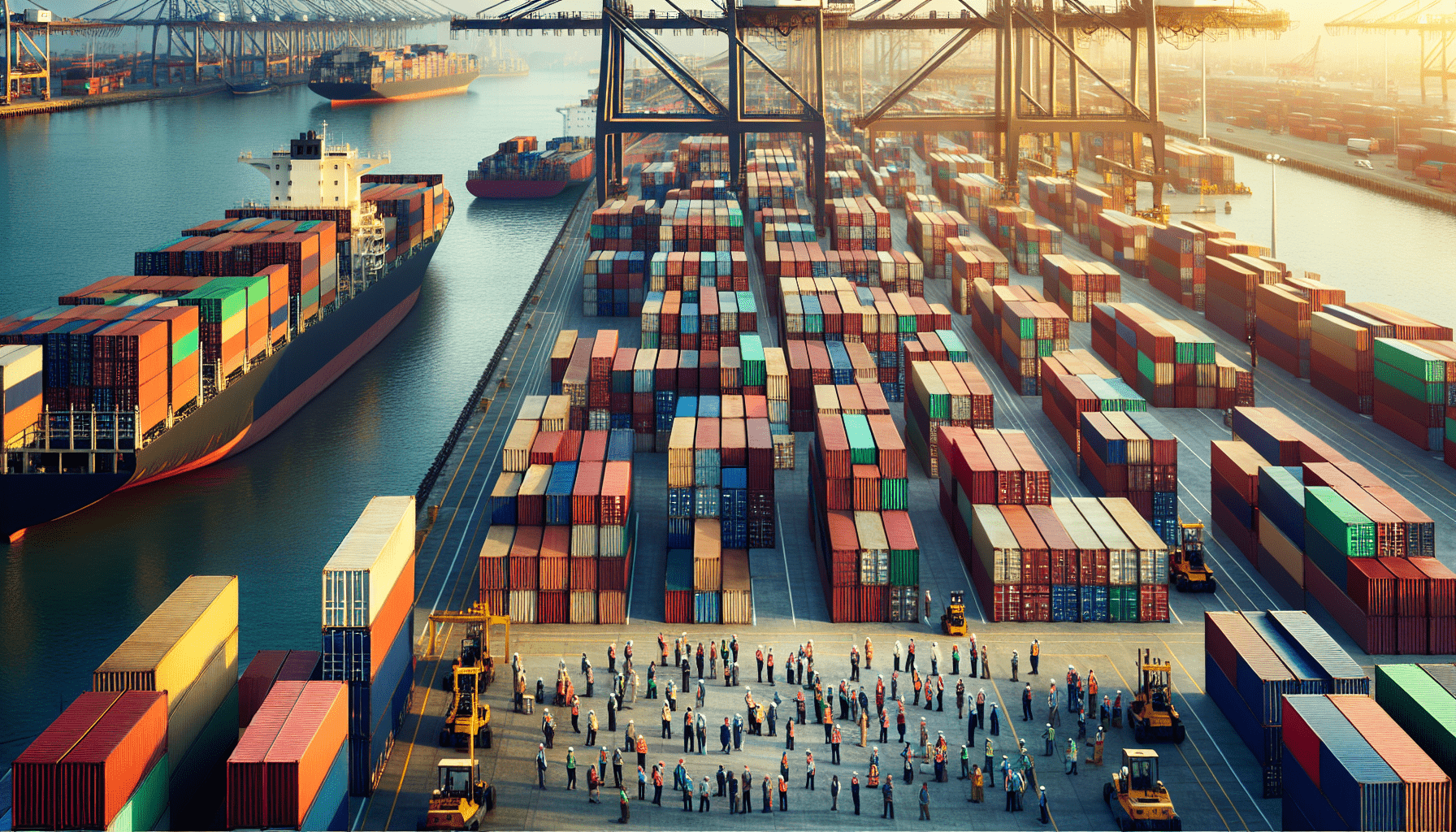
Freight forwarding is a crucial component of the logistics industry, acting as an intermediary between shippers and carriers. I have come to realize that the core purpose of freight forwarding services is to ensure that goods are transported efficiently, safely, and economically from one location to another.
The Role of a Freight Forwarder
A freight forwarder manages the logistics of shipping goods across international borders. I have witnessed how they facilitate the entire shipping process, from documentation to receiving the cargo at its final destination. By coordinating between various parties—such as shippers, carriers, and customs officials—a freight forwarder simplifies intricate logistics operations.
Types of Freight Forwarding Services
There are multiple types of freight forwarding services available. Each serves a specific need in the logistics chain, and having a clear understanding of each type can help shippers select the most appropriate solution for their unique circumstances.
| Type of Service | Description |
|---|---|
| Air Freight | Transportation of goods via air, ideal for urgent deliveries or lightweight items. |
| Ocean Freight | Cargo shipping via sea, suitable for bulky and heavy items, often used for international shipping. |
| Road Freight | Land-based transport of goods, which is perfect for domestic deliveries or shorter distances. |
| Rail Freight | Utilizes trains for transferring cargo, which is cost-effective for large quantities over long distances. |
| Intermodal Services | Combines multiple forms of transport, offering flexibility and efficiency in logistics. |
Importance of Freight Forwarding
As I have come to appreciate, freight forwarding services are fundamental in international trade. They help businesses expand their reach by enabling them to send products globally without having specialized knowledge of each country’s regulations, tariffs, and logistics norms.
Facilitating International Trade
In my experience, one of the key roles of freight forwarders is to facilitate international trade. They handle various complexities, such as customs regulations and documentation, making it easier for businesses to navigate the global marketplace. Their expertise can save companies significant time and effort, enabling them to focus on their core operations.
Cost Management
Another notable benefit of freight forwarders is their ability to manage costs effectively. By negotiating favorable shipping rates and offering various transportation options, they can help businesses reduce expenses associated with logistics. This ability to optimize costs is crucial in maintaining competitiveness in today’s rapidly evolving market.
Key Services Offered by Freight Forwarders
Freight forwarding services encompass a range of functions that ensure goods are transported smoothly. I find it vital to understand these key services, as they highlight the value a freight forwarder brings to the table.
Documentation and Customs Clearance
Freight forwarders handle crucial documentation required for shipping, such as bills of lading and packing lists. They also manage customs clearance—ensuring that goods meet all legal requirements for import and export. This is a detailed process that I have seen can be daunting for companies attempting it on their own.
Packaging Solutions
In my observations, freight forwarders often provide packaging solutions tailored to the nature of the goods being shipped. Proper packaging is essential for preventing damage during transit, and specialized freight forwarders have the knowledge to recommend appropriate materials and techniques.
Cargo Insurance
Ensuring that goods are protected during transport is paramount. Freight forwarders often offer cargo insurance as part of their services. This insurance provides peace of mind as it covers losses or damages that may occur during transit. I believe having a reliable insurance option is critical for businesses engaged in international trade.
Warehousing and Distribution
Many freight forwarders provide warehousing options, allowing businesses to store goods temporarily before distribution. This service can drastically improve supply chain efficiency, as it ensures that products are readily available when demand arises. I have often seen how this can lead to better inventory management.
The Logistics Career Landscape
The freight forwarding industry is a thriving sector within logistics, offering various career opportunities based on individual skills and interests. Having worked in this field, I have come to appreciate the diverse roles available, ranging from entry-level positions to specialized careers.
Career Opportunities in Freight Forwarding
There are numerous paths one can take within freight forwarding. Below are various roles that are integral to the industry’s operations:
| Role | Description |
|---|---|
| Freight Forwarder | Manages shipments, coordinates logistics, and serves as the main point of contact for clients. |
| Customs Broker | Specializes in customs regulations, ensuring compliance and facilitating clearance. |
| Logistics Coordinator | Oversees the logistics supply chain, managing schedules, and communication between parties. |
| Shipping Clerk | Handles documentation and administrative tasks related to shipping. |
| Operations Manager | Responsible for the overall management of freight operations within an organization. |
| Supply Chain Analyst | Analyzes supply chain practices and recommends improvements for efficiency. |
Skills Required for a Successful Career
In my experience, several skills are essential for success in a freight forwarding career. These competencies can greatly enhance one’s effectiveness and employability in the field.
Communication Skills
Effective communication is vital when coordinating between shippers, carriers, and customs officials. I have learned that being articulate and concise can often determine the efficiency of the logistics process.
Problem-Solving Abilities
The freight forwarding landscape is fraught with challenges, from delays to regulatory hitches. Being equipped with strong problem-solving skills has proven invaluable in navigating these complexities. This adaptability allows individuals in this sector to devise solutions and maintain smooth operations.
Attention to Detail
Given the importance of documentation and compliance in freight forwarding, having an acute attention to detail is crucial. I understand that even the smallest oversight can lead to significant delays or financial consequences.
Educational Pathways
While specific educational requirements may vary by role and organization, having relevant qualifications can greatly improve job prospects in freight forwarding. Common pathways include:
- A degree in logistics, supply chain management, or international business.
- Certifications related to freight forwarding, such as those offered by the International Freight Forwarders Association (IFFA) or the International Air Transport Association (IATA).
- On-the-job training provided by experienced professionals within the field.
The Challenges of Freight Forwarding Services
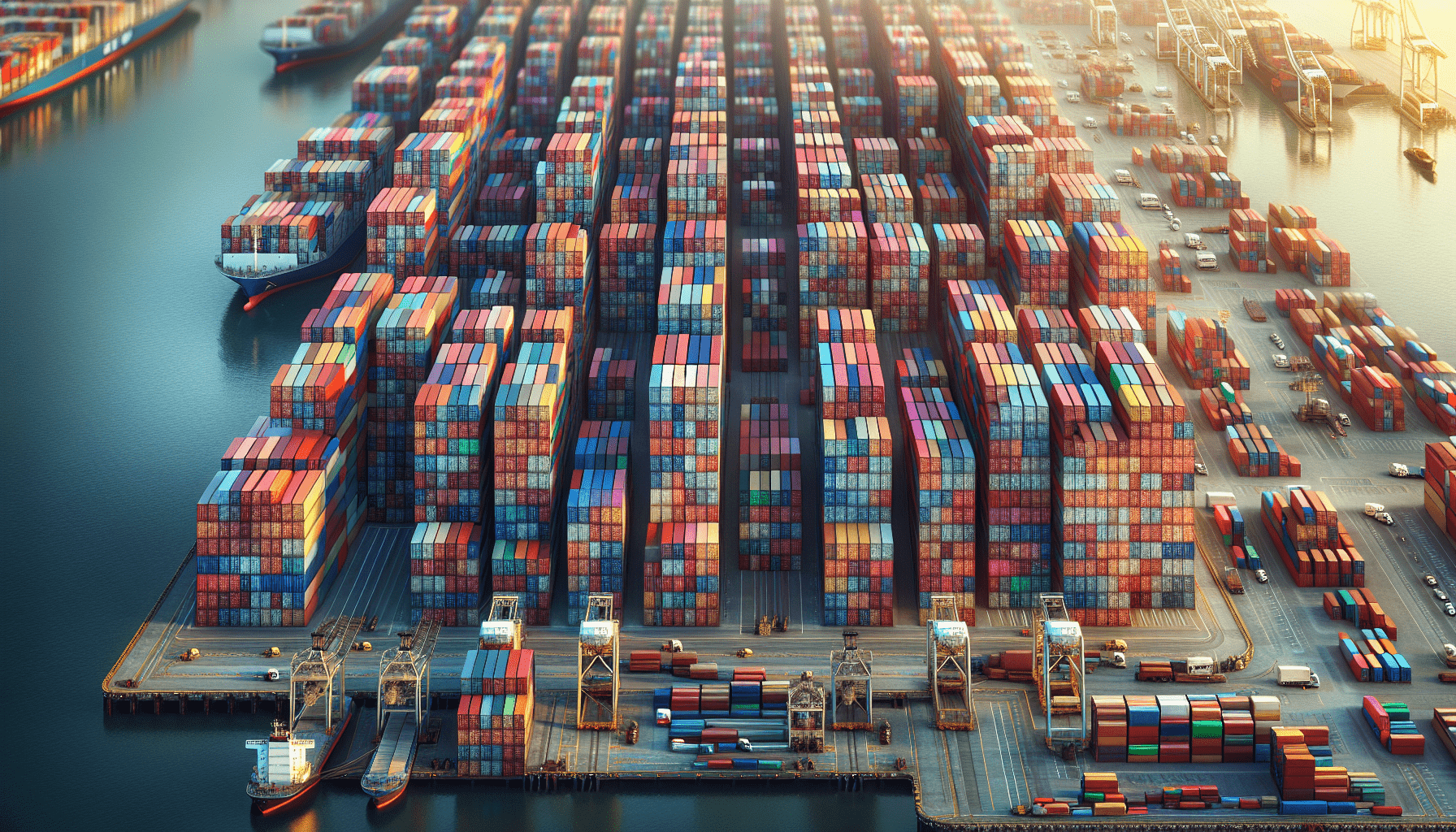
Though freight forwarding offers numerous benefits, there are also challenges that professionals face regularly. My firsthand experience in dealing with some of these issues has taught me valuable lessons in resilience and adaptability.
Regulatory Compliance
Navigating the complex web of regulatory requirements across different countries can be arduous. Each nation has its own set of customs rules, tariffs, and shipping regulations. I have found that developing strong relationships with customs officials and staying updated on legal changes is essential in overcoming this challenge.
Technological Advances
The logistics landscape is ever-evolving due to technological advancements such as automation, artificial intelligence, and data analytics. While these technologies can enhance efficiency, I have observed that they can also necessitate continuous learning and adaptation for freight forwarding professionals to remain competitive.
Economic Factors
Economic fluctuations can impact shipping costs, demand for services, and overall logistics operations. I have witnessed how currency volatility and changes in trade policies can affect planning strategies for freight forwarding, emphasizing the need for strategic risk management.
The Future of Freight Forwarding Services
The freight forwarding industry is poised for growth and transformation in the coming years. As I reflect on the trends shaping this field, it becomes clear that businesses that adapt to these changes will stand to gain the most.
Sustainability Initiatives
Environmental concerns are becoming increasingly prominent in logistics. I have noticed a shift towards sustainable practices within freight forwarding, such as using eco-friendly packaging materials and optimizing routes to reduce carbon emissions. Companies adopting sustainable practices are not only benefiting the environment but are also appealing to a growing customer base that values eco-consciousness.
Digital Transformation
The ongoing digital transformation in logistics has the potential to revolutionize freight forwarding. Innovative technologies such as blockchain, IoT (Internet of Things), and data analytics are paving the way for enhanced visibility and efficiency. I believe that embracing these tools will enable freight forwarders to optimize operations and provide better service to clients.
E-commerce Growth
The rise of e-commerce has significantly impacted the freight forwarding landscape. With more businesses engaging in online sales, there is a growing demand for efficient shipping solutions to meet customer expectations for fast delivery. I have observed that freight forwarders who adapt to this trend and specialize in e-commerce logistics can capture new opportunities in the market.
Conclusion
Freight forwarding services play an indispensable role in facilitating global trade and logistics. As I reflect on my journey through this dynamic industry, I recognize the myriad opportunities for professional development it offers. From understanding the intricacies of supply chain management to addressing the challenges of regulatory compliance, my experience has underscored the importance of adaptability and continuous learning.
In the ever-evolving logistics landscape, freight forwarding professionals must be equipped to meet the demands of a complex global marketplace. Whether entering the field or advancing a career, understanding the significance of freight forwarding services is crucial for anyone looking to contribute to this vital industry. With an outlook focused on innovation and sustainability, I am optimistic about the future of freight forwarding and the opportunities it provides for those committed to excellence in logistics.