Freight Forwarding Services
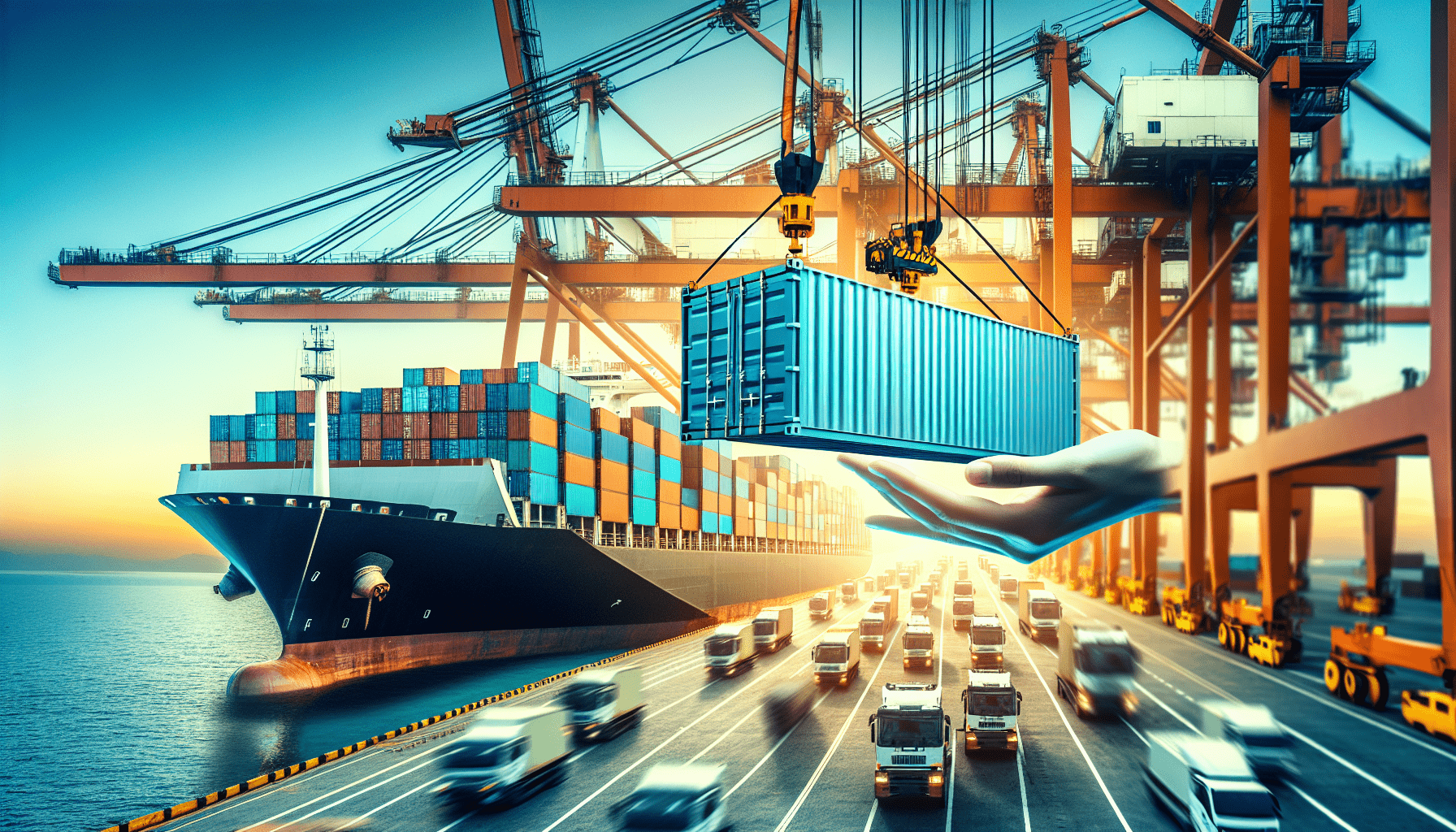
Have you ever wondered how goods move seamlessly across the globe, from one location to another, without significant delays or complications? The answer lies in the realm of freight forwarding services—a critical component of the logistics industry.
Understanding Freight Forwarding Services
In essence, freight forwarding is an intermediary service, facilitating the transportation of goods from manufacturers or producers to the final destination. However, it encompasses much more than simply arranging transport. As someone involved in this field, I appreciate the depth and complexity that freight forwarding represents.
Freight forwarders handle various logistics tasks, including negotiating freight rates, preparing shipping documents, booking cargo space, and ensuring compliance with customs regulations. Their role is indispensable in the global supply chain.
Key Functions of Freight Forwarders
-
Transport Arrangement
I coordinate the most efficient routes and modes of transport, whether by air, sea, or land. This involves understanding the needs of my clients, which allows me to choose options that align with their budgetary and timing constraints. -
Documentation and Customs Clearance
I prepare essential shipping documents such as bills of lading, commercial invoices, and export documentation. Partnering with customs officials ensures that all goods comply with local regulations, thus preventing any possible delays at borders. -
Cargo Insurance
I can provide advice on cargo insurance. Through my network, I help clients ensure their goods are protected against unforeseen hazards during transit, thereby mitigating risks. -
Consolidation Services
Through consolidation, I combine smaller shipments into one larger shipment. This practice allows for cost savings and improved efficiency, and I take great care in managing this process to ensure that all items reach their destination safely.
The Importance of Freight Forwarding in Global Trade
With the rise of globalization, the role of freight forwarding has never been more significant. Trade volumes have expanded, and understanding the intricacies of logistics is crucial for businesses seeking to expand their global reach.
I see freight forwarders as essential partners to businesses, helping them navigate the complexities of international transport. Without these services, companies would struggle to manage their logistics effectively, leading to potential financial loss and damage to brand reputation.
Logistics Automation in Freight Forwarding
One of the most groundbreaking trends in the freight forwarding sector is the adoption of logistics automation. As I observe the advancements, I recognize that integrating technology with traditional practices can result in significantly improved efficiency and transparency.
Benefits of Logistics Automation
-
Increased Efficiency
Automation reduces the need for manual intervention, thus freeing my resources to focus on more strategic tasks. For instance, automating data entry ensures that I can provide quicker responses to queries, improving customer service. -
Enhanced Visibility
The use of advanced tracking systems allows me and my clients to monitor shipments in real time. Having data at my fingertips plays a crucial role in decision-making processes, allowing for proactive management of potential issues. -
Cost Reduction
By automating processes, I ultimately lower operational costs. For example, automating the documentation process minimizes human error, which can lead to costly rectifications. -
Improved Customer Experience
With automated systems, I can provide clients with timely updates regarding their shipments. This transparency builds trust and keeps my clients informed, which is essential for maintaining long-term relationships.
Technology Transforming Freight Forwarding
I have witnessed the transformative power of technology in the freight forwarding industry, specifically through the use of software and digital platforms.
-
Transport Management Systems (TMS)
TMS are essential for managing logistics operations, optimizing routes, and tracking shipments. Through data analysis, I can predict delays and adjust transportation plans accordingly. -
Cloud Computing
Cloud-based solutions enhance collaboration among stakeholders. I can share real-time information with clients and logistics partners, ultimately improving communication and reducing misunderstandings. -
Blockchain Technology
Blockchain offers opportunities for enhanced security and transparency. It allows me to maintain a gasless and unalterable ledger of transactions, which boosts trust among parties involved in the supply chain. -
Artificial Intelligence (AI)
AI can analyze vast amounts of data, predicting trends and behaviors. With AI, I can identify inefficiencies in transport routes and optimize them, leading to cost savings for my clients.
Challenges in Freight Forwarding
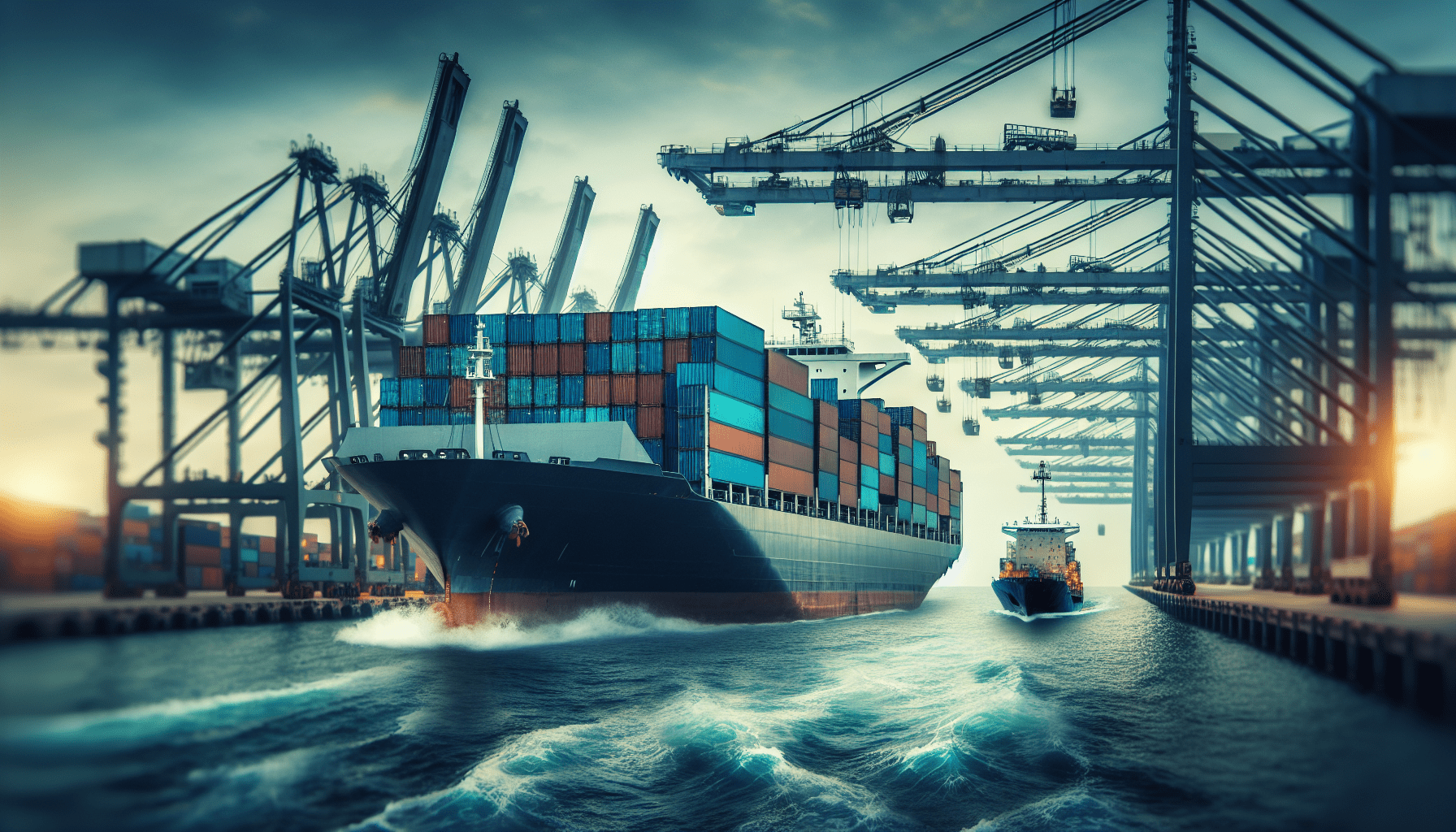
Despite the advancements in freight forwarding and logistics automation, several challenges persist. I face these obstacles daily, and addressing them effectively is pivotal for success.
Regulatory Compliance
Navigating the regulatory landscape can be daunting. Each country has its own unique rules regarding taxation, duties, and customs. As a freight forwarder, I stay up-to-date with compliance requirements to ensure smooth operations. Failure to adhere to regulations can lead to fines, shipment delays, or even legal ramifications.
Capacity Crunches
The world has recently experienced unprecedented shifts in demand and capacity, primarily due to global events such as pandemics and trade wars. As a result, I often find myself in situations where available transportation capacity is insufficient. Managing these fluctuations requires strategic planning and effective communication with stakeholders.
Managing Relationships with Carriers
I rely heavily on partnerships with carriers—airlines, shipping lines, and trucking firms. Building and maintaining these relationships is crucial for securing favorable rates and reliable service. It is essential for me to continuously nurture these relationships, often through regular communication and negotiation.
Environmental Sustainability
The growing emphasis on sustainability in logistics pressure me to rethink traditional practices. It is essential to develop strategies that reduce emissions and waste. By offering eco-friendly transportation options or utilizing more efficient routes, I strive to position my services as both competitive and conscientious.
Future Trends in Freight Forwarding
While I navigate the current landscape of the freight forwarding industry, I am also keenly aware that it is ever-evolving. Anticipating future trends is crucial for maintaining competitiveness and relevance.
Rise of E-commerce
As the e-commerce industry experiences exponential growth, the demand for freight forwarding services tailored to online businesses is increasing. I recognize the need to adapt my services to cater to the fast-paced nature of e-commerce logistics, focusing on last-mile delivery solutions.
Integration of IoT
The Internet of Things (IoT) promises to transform logistical operations. By connecting devices and sensors, I can gather real-time data on shipment conditions, from temperature control to tracking whereabouts. This data can significantly enhance my response times and service offerings.
Shift towards On-Demand Logistics
The demand for on-demand logistics solutions is rising as consumers expect faster deliveries. I must adapt to this change by implementing strategies that allow for timely fulfillment and agile responses to changing customer expectations.
Adoption of Sustainable Practices
Sustainability will continue to shape the logistics landscape. I aim to adopt practices that reduce carbon footprints, such as adopting greener modes of transport or leveraging technology to optimize supply chain operations.
Conclusion
Freight forwarding services are at the heart of international trade. The complexity and importance of these services cannot be understated; they facilitate smooth logistics, ensuring that products are delivered where and when they are needed.
As I navigate this industry, I remain committed to improving efficiency through logistics automation, addressing challenges head-on, and embracing emerging trends. By continuously evolving, I strive to build stronger partnerships, enhance customer satisfaction, and pave the way for a more sustainable future in freight forwarding services.